


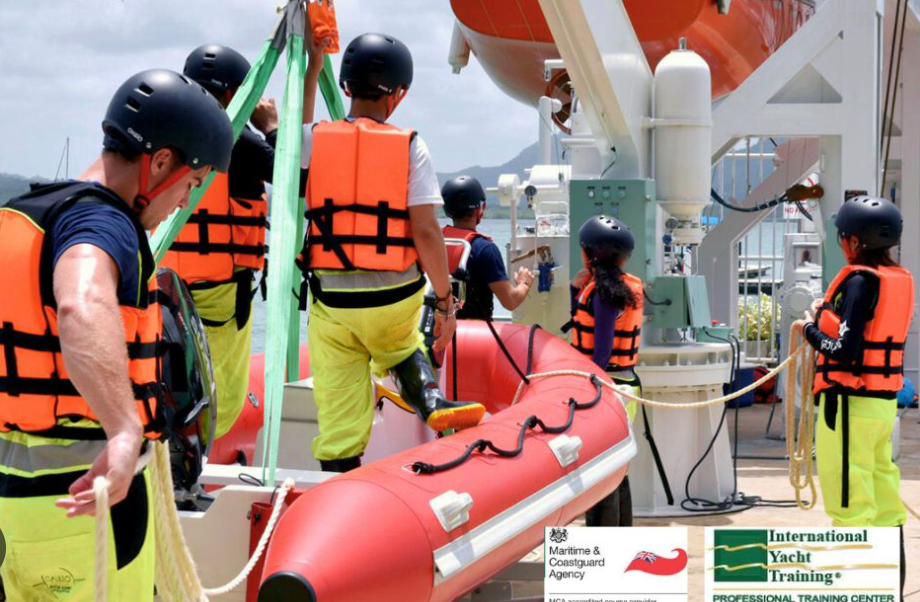

Medical First Aid & Shipboard Emergency Care
Effective medical response at sea can save lives. The Medical First Aid & Shipboard Emergency Care program equips seafarers with the knowledge and practical skills required to provide immediate medical assistance during onboard emergencies.

Effective medical response at sea can save lives. The Medical First Aid & Shipboard Emergency Care program equips seafarers with the knowledge and practical skills required to provide immediate medical assistance during onboard emergencies.
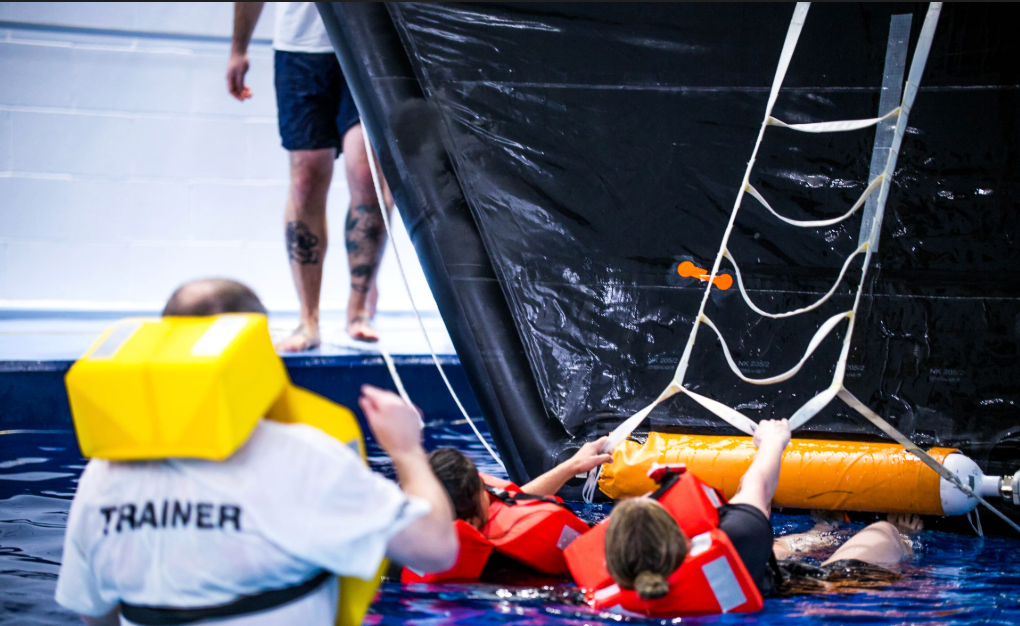
At the International Institute for Certified Maritime Crew (IICMC), this program is delivered in accordance with STCW requirements, combining medical theory with hands-on emergency response training. Trainees gain the confidence to act decisively in medical incidents when professional medical support is not immediately available.
Program Highlight
Faculty
STCW & Ancillary Training
Duration
5 – 7 Days (Crash Program) Up to 3 Months (Extended Program)
Certification
Medical First Aid & Shipboard Emergency Care Certificate (STCW-Aligned)
Language
English
About Programs
This program focuses on providing immediate medical care onboard ships, offshore units, and maritime facilities. Trainees are trained to assess injuries, manage medical emergencies, and stabilize casualties until professional medical assistance is available.
Medical First Aid & Shipboard Emergency Care (STCW)
Session: 2025 - 2026
Typical Program Structure
Emphasis is placed on practical medical response, decision-making under pressure, casualty handling, and compliance with international maritime medical standards.
- Duration: Crash Program: 3– 5 Days Full Program: Up to 3 Months
- Total Credits: Medical theory + hands-on practical training
- Structure: Practical evaluation and written assessments
Core Curriculum Topics
Emergency Medical Assessment
- Rapid evaluation of injuries and medical conditions
Basic Life Support (BLS)
- CPR, airway management, and casualty resuscitation
Injury & Trauma Care
- Treatment of wounds, fractures, burns, and bleeding
Medical Emergencies
- Managing shock, poisoning, cardiac events, and illness
Casualty Handling & Evacuation
- Safe movement, monitoring, and medical evacuation procedures

Programs Cost
Our program costs are designed to remain transparent competitive and accessible for students from diverse backgrounds. Each academic program includes tuition fees, registration charges and essential learning resources ensuring students receive high-quality education and comprehensive academic support Costs may vary based on program type, course load, and mode of study (on-campus, hybrid, or online) We aim to provide exceptional value through modern facilities, expert faculty, and industry aligned curriculum making your investment in education both meaningful and future-focused.
| Crash Program (5–7 Days) - Online | Full Program (Up to 3 Months) - Hybrid | |
|---|---|---|
| Tuition & Training Fee | $130 | $780 |
| Registration & Administration | $20 | $85 |
| Training Materials & Medical Supplies | $15 | $110 |
| Practical Medical Drills & Simulations | - | $95 |
| Assessment & Evaluation | Included | Included |
| Certification Processing (STCW-Aligned) | $20 | $130 |
| Total Program Cost | $185 | $1,200 |
Apply Now
Fee Notes
All fees must be paid before program commencement
Fees are listed in US Dollars (USD)
Crash Program fees are fixed and non-refundable after registration
Full Program includes extended practical sessions and advanced medical simulations
Group enrollments and institutional training packages are available upon request


Who Should Enroll
- Seafarers and shipboard crew
- Offshore and maritime support personnel
- Designated medical care providers onboard vessels
- Maritime trainees requiring STCW medical compliance
Career & Compliance Value
Graduates of this program are prepared to:
- Respond effectively to shipboard medical emergencies
- Provide immediate first aid and stabilize casualties
- Support onboard safety and emergency preparedness
- Meet international STCW medical training requirements
Progression Pathways
After completing this program, trainees may advance to:
- Medical Care Onboard Ship (STCW)
- Advanced First Aid & Trauma Response
- Offshore Medical Emergency Training