



Certificate in Marine Electrical & Control Systems
Training emphasizes electrical safety, system functionality, fault awareness, and basic diagnostic skills. Trainees learn how electrical power is generated, distributed, and controlled onboard vessels, enabling them to contribute effectively to routine operations, maintenance support, and safe working practices.

Modern vessels rely heavily on sophisticated electrical, electronic, and automated control systems to ensure safe, efficient, and reliable operations. The Certificate in Marine Electrical & Control Systems is designed to provide trainees with essential technical knowledge and operational awareness of marine electrical installations and shipboard control technologies.
At the International Institute for Certified Maritime Crew (IICMC), this program combines marine engineering fundamentals with practical system understanding. Trainees develop the competence required to support electrical operations onboard ships, offshore units, and maritime support vessels while working in compliance with safety regulations and industry standards.
Program Highlight
Faculty
Marine Engineering
Duration
1 – 2 Weeks (Crash Program ) 8 Months Full program
Certification
Certificate in Marine Electrical & Control Systems
Language
English
About the Program
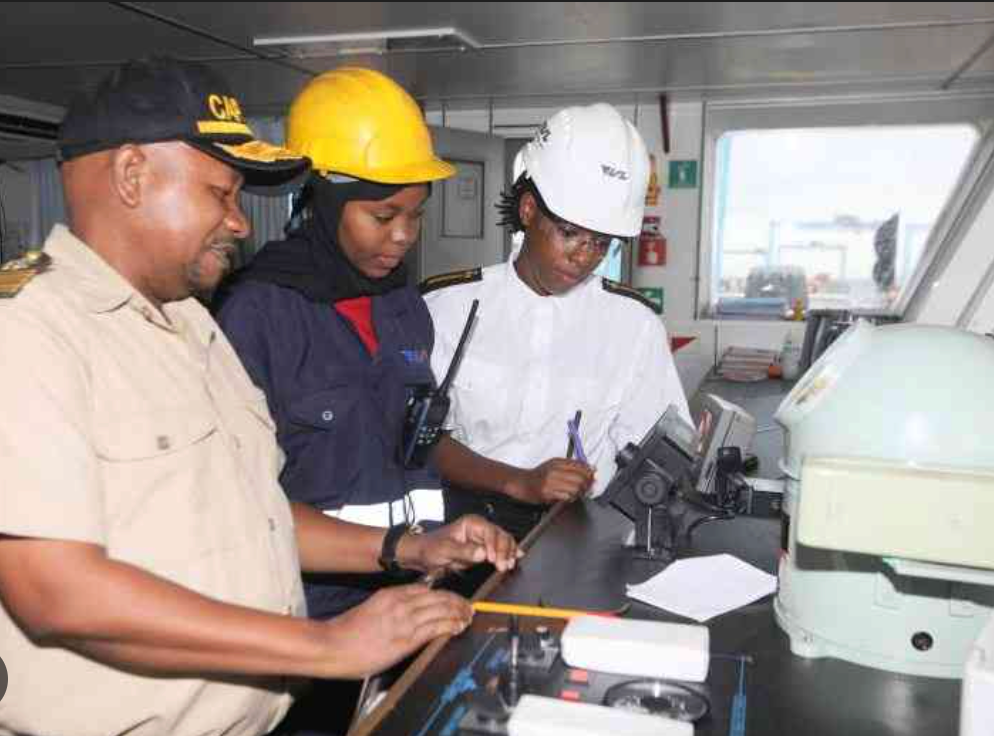
This program is designed to build strong technical foundations in marine electrical systems and control technologies used in modern maritime operations. It prepares trainees to understand, monitor, and support electrical and automated systems within engine room and technical environments.
Training emphasizes electrical safety, system functionality, fault awareness, and basic diagnostic skills. Trainees learn how electrical power is generated, distributed, and controlled onboard vessels, enabling them to contribute effectively to routine operations, maintenance support, and safe working practices.
Certificate in Marine Electrical & Control Systems
Session: 2025 - 2026
Typical Program Structure
The Certificate in Marine Electrical & Control Systems is delivered through a structured blend of theoretical learning and hands-on workshops.
- Duration: 24 Months (Full-Time) 2 Weeks crash Program
- Format: Theory + Practical Workshops
- Structure: Practical assessments and written evaluations
Core Curriculum Topics
Marine electrical fundamentals
- Basic principles of electricity, circuits, and marine electrical components
Shipboard power generation and distribution
- Generators, switchboards, and distribution systems
Control systems and automation basics
- Introduction to sensors, PLCs, alarms, and automated controls
Electrical safety and fault awareness
- Safe working practices, isolation procedures, and fault recognition
Maintenance awareness and operational procedures
- Preventive maintenance concepts and system monitoring

Programs Cost
This program is designed to build strong technical foundations in marine electrical systems and control technologies used in modern maritime operations. It prepares trainees to understand, monitor, and support electrical and automated systems within engine room and technical environments.
Training emphasizes electrical safety, system functionality, fault awareness, and basic diagnostic skills. Trainees learn how electrical power is generated, distributed, and controlled onboard vessels, enabling them to contribute effectively to routine operations, maintenance support, and safe working practices.
| Crash Program (1–2 Weeks) | Full Program (8 Months) | |
|---|---|---|
| Hybrid | On campus | |
| Registration & Administration Fee | $45 | $107 |
| Tuition & Instructional Delivery | $180 | $520 |
| Training Materials & Certification Processing | $50 | $150 |
| Practical Workshops & Laboratory Sessions | - | $80 |
| Campus Facilities & Learning Resources | - | $100 |
| Total Program Cost (USD) | $275 | $448 |
Apply Now
Our program costs are designed to remain transparent competitive and accessible for students from diverse backgrounds. Each academic program includes tuition fees, registration charges and essential learning resources ensuring students receive high-quality education and comprehensive academic support Costs may vary based on program type, course load, and mode of study (on-campus, hybrid, or online) We aim to provide exceptional value through modern facilities, expert faculty, and industry aligned curriculum making your investment in education both meaningful and future-focused.


Who Should Enroll
- Marine engineering trainees and cadets
- Technical crew and engine ratings
- Offshore technical and maintenance personnel
- Electrical technicians transitioning into maritime roles
Career & Compliance Value
- Support shipboard electrical and control system operations
- Work safely within regulated engine room and technical environments
- Demonstrate electrical safety awareness and operational competence
- Progress toward advanced marine engineering and technical positions
Progression Pathways
- Advanced Marine Engineering Programs
- High Voltage Safety & Switchgear Training
- Engine Room Resource Management (ERM)