


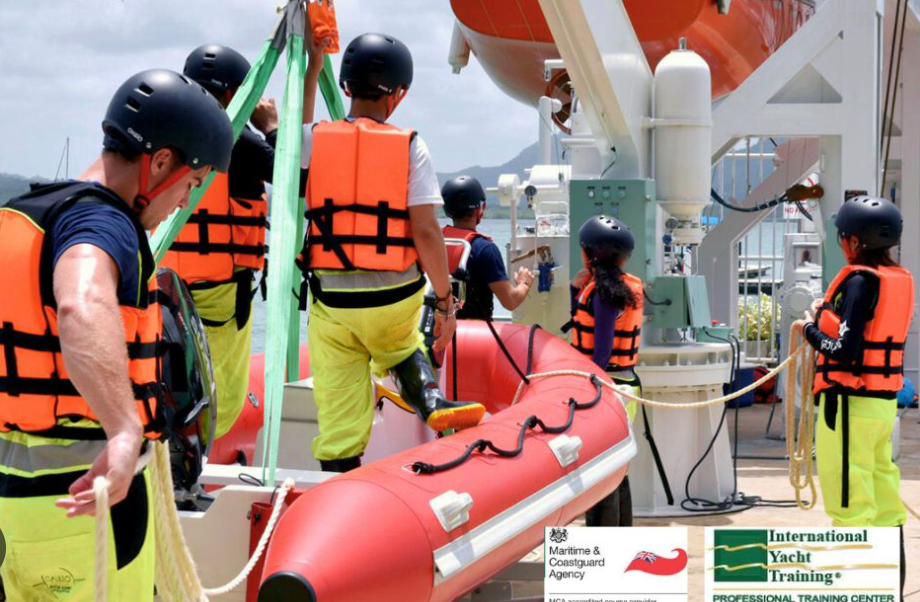

Certificate in Cargo Handling Systems & Safety
At the International Institute for Certified Maritime Crew (IICMC), this program emphasizes practical understanding of cargo systems, handling procedures, and safety compliance. Trainees gain exposure to real-world cargo operations, developing the competence needed to operate responsibly within busy, risk-sensitive maritime and port settings.

Safe and efficient cargo handling is fundamental to maritime transportation, port operations, and global trade. The Certificate in Cargo Handling Systems & Safety is designed to equip trainees with the technical knowledge, operational awareness, and safety-focused mindset required to support modern cargo operations in both shipboard and terminal environments.
At the International Institute for Certified Maritime Crew (IICMC), this program emphasizes practical understanding of cargo systems, handling procedures, and safety compliance. Trainees gain exposure to real-world cargo operations, developing the competence needed to operate responsibly within busy, risk-sensitive maritime and port settings.
Program Highlight
Faculty
Port Operations Equipment Training
Duration
4-5 Days Crash Program (Hybrid/Online) 6 – 8 Weeks (Full-Time) On Campus
Credits
Certificate in Cargo Handling Systems & Safety
Language
English
About Programs
This program prepares trainees to support cargo handling, securing, stowage, and terminal operations while maintaining strict international safety and operational standards. It is designed for individuals involved in shipboard cargo operations, port terminals, and logistics environments where safe cargo movement is critical.
Training places strong emphasis on hazard identification, risk management, and coordination between shipboard and terminal teams. Trainees learn to recognize operational risks, apply safety procedures, and support efficient cargo flow while complying with industry regulations and employer expectations.
Port Operations Equipment Training
Session 2025-2026
Typical Program Structure
The Certificate in Cargo Handling Systems & Safety is delivered through a structured blend of theoretical instruction and practical training.
- Duration: 4-5 Days Crash Program & Up to 4 Months (Full-Program)
- Format: Theory + Practical Training.
- Assessment: Continuous assessment and operational evaluation
Core Curriculum Topics
Cargo types and handling systems
- Understanding bulk, containerized, liquid, and general cargo operations
Cargo securing and stowage principles
- Safe loading, securing, and stability considerations
Cargo handling equipment awareness
- Familiarization with cranes, forklifts, spreaders, and terminal equipment
Safety procedures and risk management
- Hazard identification, safe work practices, and incident prevention
Terminal and shipboard operational coordination
- Communication and teamwork between port and vessel operations

Programs Cost
Safe cargo handling is critical to maritime and port operations. The Certificate in Cargo Handling Systems & Safety equips trainees with the knowledge and operational awareness required for safe and efficient cargo operations.
Apply Now
Our program fees are designed to remain transparent, accessible, and competitive while maintaining high training standards aligned with international maritime and hospitality requirements. All costs include tuition, certification processing, training resources, and administrative charges. On-campus fees reflect facilities and hands-on instruction.
| Crash Program (3–5 Days) | Full On-Campus Program (3–6 Months) | |
|---|---|---|
| Online Modules | On Campus | |
| Registration & Administration Fee | $50 | $100 |
| Tuition Fee | $220 | $750 |
| Training Materials & Certification Processing | $47 | $134 |
| Practicals & Workshops | - | $200 |
| Facility & Campus Resources | - | $75 |
| Total Program Cost (USD) | $347 | $1,259 |


Who Should Enroll
- Port and terminal personnel
- Cargo handling and stevedoring staff
- Shipboard crew involved in cargo operations
- Logistics and operations trainees seeking industry entry
Career & Professional Value
- Support safe and efficient cargo handling operations
- Reduce operational risk and prevent cargo-related incidents
- Work effectively within port terminals and onboard vessels
- Demonstrate safety awareness and operational competence to employers
Progression Pathways
- Port Equipment Operations Programs
- Terminal Safety & Risk Management
- Advanced Cargo Operations Training