


Faculty of STCW & Ancillary Training
We believe in empowering maritime trainees to develop essential safety skills, professional discipline, and operational confidence required for safe and efficient service at sea.

Empowering Safety. Inspiring Professional Competence.
At the International Institute for Certified Maritime Crew (IICMC), the Faculty of STCW & Ancillary Training is dedicated to delivering world-class maritime safety and support training through a balanced approach of classroom instruction and hands-on practical experience. Our programs are designed in alignment with international maritime standards, ensuring that all trainees meet the requirements of the International Maritime Organization (IMO) under the STCW Convention (Standards of Training, Certification and Watchkeeping for Seafarers). Through rigorous instruction and simulation-based training, we prepare maritime professionals for real-world shipboard and offshore operations.
Curriculum
Competency-based STCW safety training, emergency response, survival skills, and ancillary maritime support programs aligned with international regulations.
Teaching
Structured, practical, and safety-focused instruction delivered by experienced maritime professionals and certified instructors.

Cameron Williamson
Introduction to the Faculty
The Faculty of STCW & Ancillary Training is a professional community of certified instructors, safety specialists, and maritime practitioners dedicated to developing competent, safety-conscious seafarers.
Faculty members combine shipboard experience with instructional expertise to deliver training that emphasizes fire prevention, survival techniques, first aid, security awareness, crisis management, and compliance with international maritime conventions. Continuous improvement and regulatory alignment remain central to our training philosophy.
Lead of Faculty
The Lead of Faculty for STCW & Ancillary Training provides academic and operational leadership across all safety and ancillary training programs.
This role ensures that curriculum design, training delivery, assessments, and certification processes meet international IMO and STCW requirements. The Lead of Faculty works closely with instructors, assessors, and institutional leadership to maintain high standards of safety training and professional competence.
Expert educators
Our expert educators bring extensive maritime industry experience and professional certification into the training environment. They lead drills, supervise simulations, and mentor trainees through realistic emergency scenarios that reflect shipboard and offshore conditions.
Through continuous professional development and industry engagement, our instructors remain current with evolving maritime safety practices and regulatory updates.
Mission
The mission of the Faculty of STCW & Ancillary Training is to deliver internationally compliant maritime safety education that integrates theory with intensive practical application. We are committed to producing disciplined, competent, and safety-driven maritime professionals capable of protecting life, property, and the marine environment.
- Completed secondary education (HSC / A-Level / Equivalent)
- Minimum academic or training performance as set by IICMC
- For advanced or instructor-level programs: relevant maritime certification or a recognized bachelor’s degree
Vision
Conventions and discover their potential through meaningful Our face support experiences Our distinguished faculty members are leaders their and respective fields dedicated to delivering world-class education that integrates theory with practical support application With.
- Completed secondary education (HSC/A-Level/Equivalent).
- Minimum GPA/grade requirements as set by the university.
- For graduate programs: a recognized bachelor’s degree with required CGPA.

STCW & Ancillary Programs
Covering safety, survival, security, and emergency response.
Certified Maritime Professionals
Trained for global deployment across shipping and offshore sectors.
Research Departments
Active research units promoting. Dedicated to STCW safety and ancillary competencies.
Accredited Training Programs
Aligned with IMO, STCW, and international maritime standards.
STCW & Ancillary Training Programs
Our internationally aligned STCW and ancillary programs equip seafarers with essential safety, survival, security, and emergency response skills required for professional maritime service.
Basic Safety & Security Training (BSST)
Focuses on fundamental principles of Fire Prevention, Personal Survival Techniques, Elementary First Aid, Personal Safety & Social Responsibility, and Maritime Security.
Basic Safety Revalidation
STCW-mandated refresher training (including Manila Amendments 2010) ensuring seafarers maintain essential safety skills and onboard readiness.
Coxswain Level III
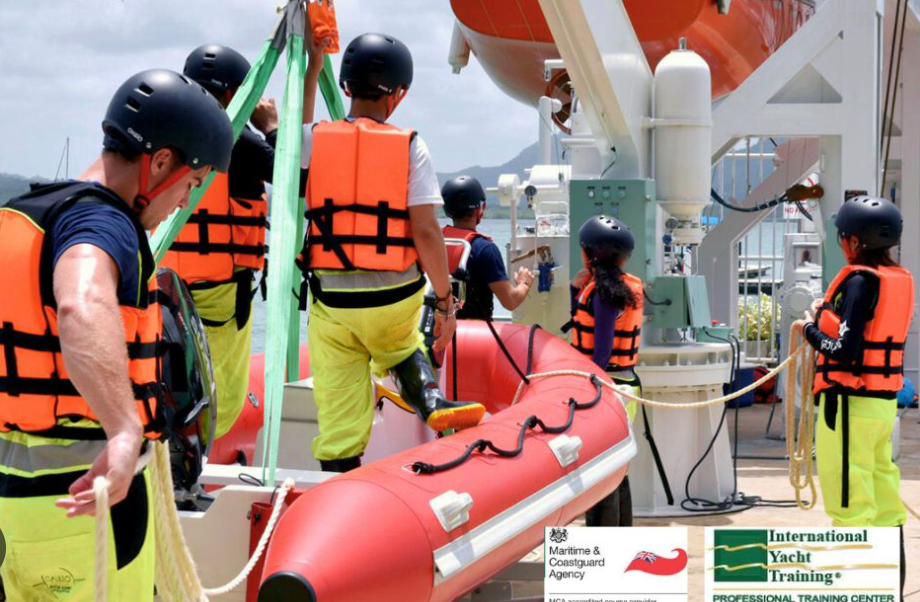
Trains crew members in operating lifeboats, rescue boats, and small vessels for emergency, offshore, and search & rescue operations.
Elementary First Aid
Mandatory STCW module providing basic medical response skills for injuries and medical emergencies at sea, aligned with IMO guidelines.
Personal Survival Techniques
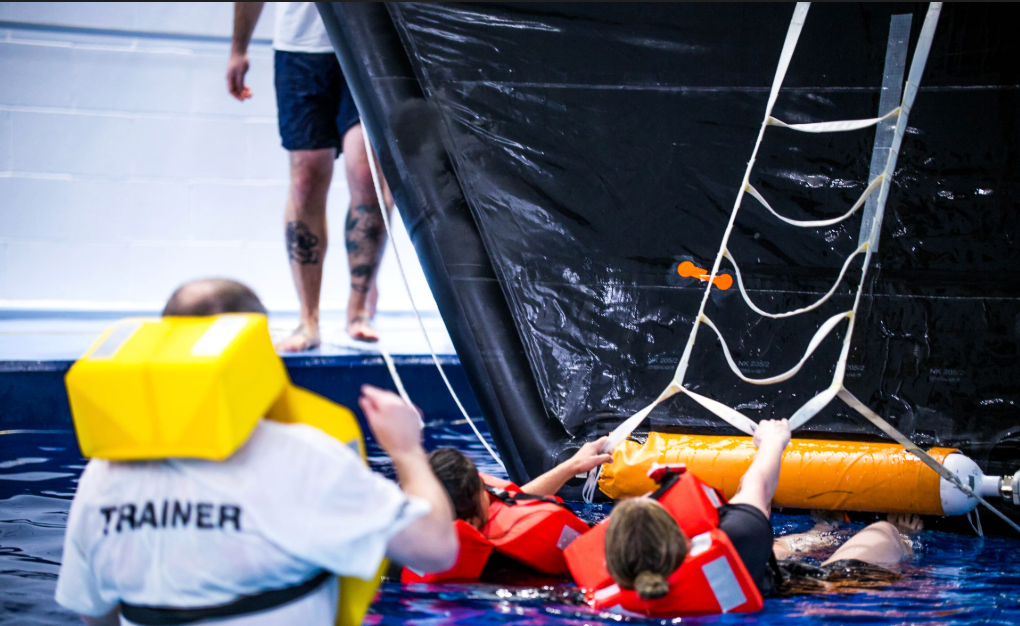
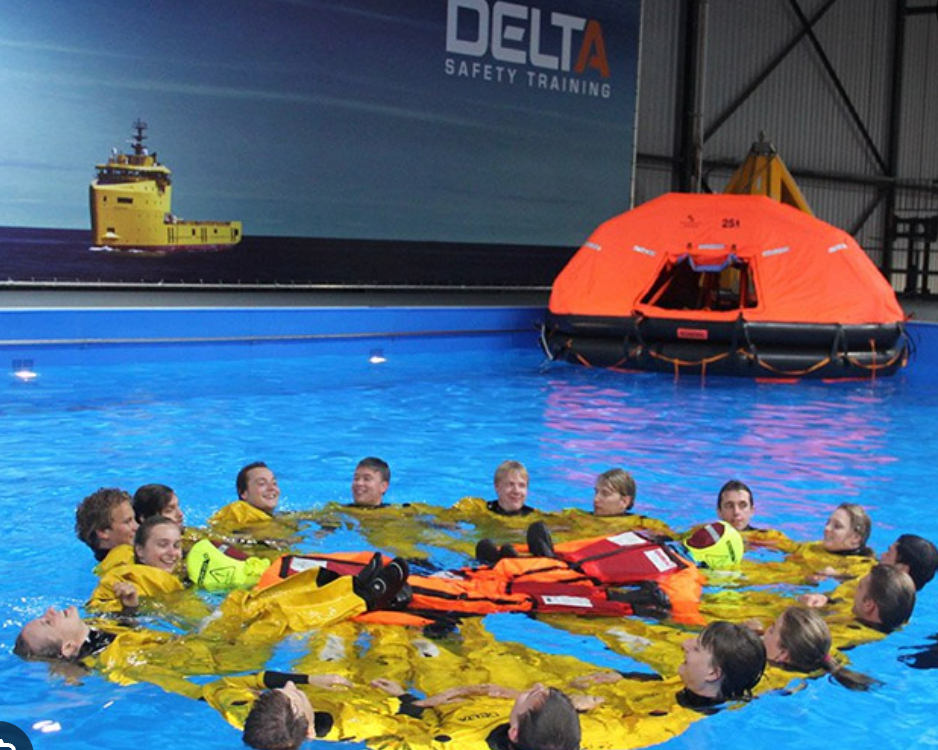
Mandatory STCW training focused on survival at sea during emergencies such as ship abandonment or man-overboard situations.
Fire Prevention & Fire Fighting
Mandatory STCW training preparing seafarers to prevent, control, and extinguish onboard fires, ensuring crew and vessel safety.
Advanced Fire Fighting
Advanced-level training for seafarers with firefighting leadership responsibilities, focusing on shipboard fire management and emergency command.
Maritime Security Awareness
STCW and ISPS Code-aligned training enabling seafarers to recognize and respond to security threats onboard ships and port facilities.
Designated Security Duties
STCW-compliant training covering onboard security responsibilities, threat prevention, and implementation of ISPS Code security measures.
Proficiency in Survival Craft & Rescue Boats
Mandatory STCW certification covering launching, handling, and operation of lifeboats, life rafts, and fast rescue boats.
Passenger Ship Crisis Management & Human Behavior
Specialized STCW training for managing emergencies on passenger ships, focusing on crowd control, decision-making, and human behavior.
Crowd Management
Focuses on safely managing large groups of passengers during emergencies aboard passenger vessels to ensure orderly evacuation and safety.
Crisis Management
STCW-aligned training preparing seafarers to manage high-stress emergency situations such as fire, evacuation, and security threats.
Lifeguard Training
Trains individuals in water rescue, CPR, first aid, and emergency response for pools, beaches, and maritime environments.
Scuba Diving
Enables safe underwater exploration for recreation, marine research, and professional activities such as underwater inspection and photography.